

Oil painting brushes tested through five years of studio and plein air work
Rosemary & Co Brushes Review After Five Years of Oil Painting
After using Rosemary & Co brushes continuously for around five years, I can say that I have found virtually no meaningful disadvantages. They are exceptionally durable, retain their shape, lose very little hair and remain reliable long after many cheaper brushes would already have been discarded.
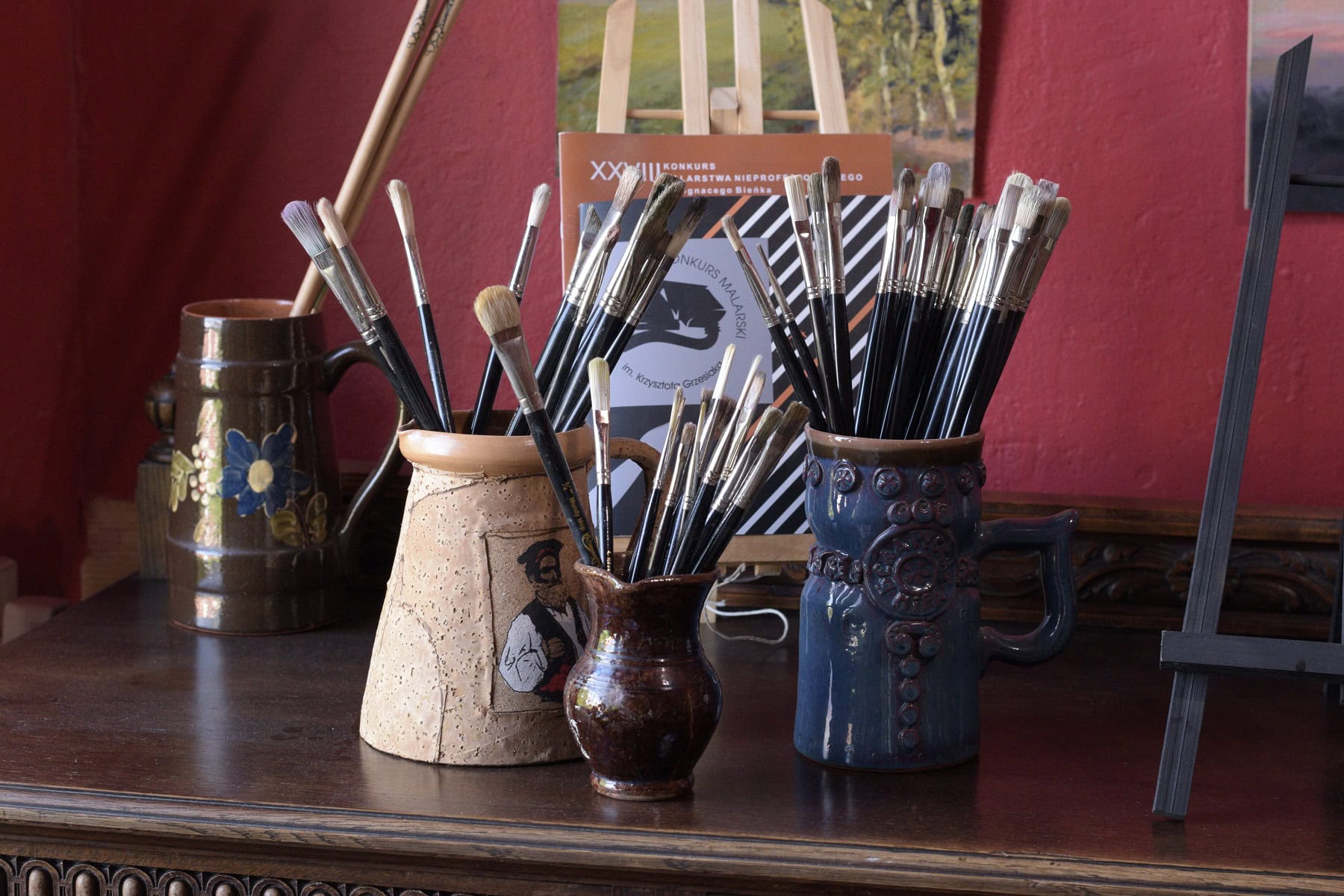
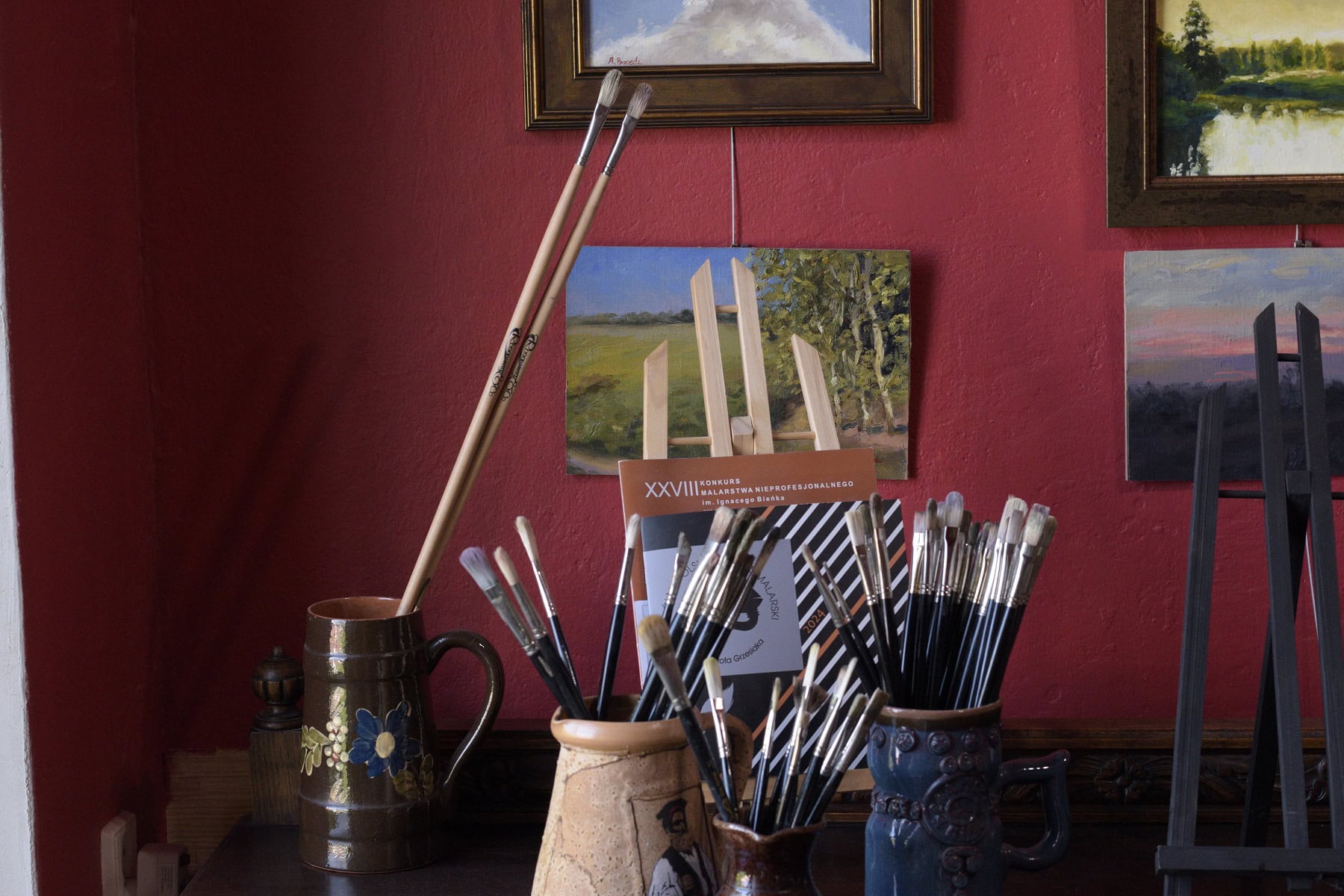
The brushes shown in these photographs are part of my actual working collection, used for studio paintings, plein air studies, small panels and larger finished canvases.
Many of them carry old paint stains, worn handles and visible signs of years of work. On a few of the oldest brushes, the Rosemary & Co logo has almost rubbed away. That is probably the only minor criticism I can make, and it has no effect whatsoever on how the brushes perform.
How I discovered Rosemary & Co brushes
Andrew Tischler was the first painter who inspired me to try Rosemary & Co. I initially became interested through his painting videos and, more specifically, through the Tisch Daggers developed for varied, expressive marks.
The dagger was an exciting brush when I first began using the brand. I frequently used a larger version because it could produce broad strokes, narrow lines and sharper accents depending on its angle and the pressure applied.
Over time, however, my way of painting changed. For the last few years I have relied much more heavily on filberts, which suit the way I construct forms, edges and passages of colour more naturally.
Since then, I have tried a broad selection of Rosemary & Co ranges, including Chungking, Classic, Ultimate, Eclipse, Ivory, Evergreen, Red Dot, Masters Choice, Bravura and Tisch Daggers.
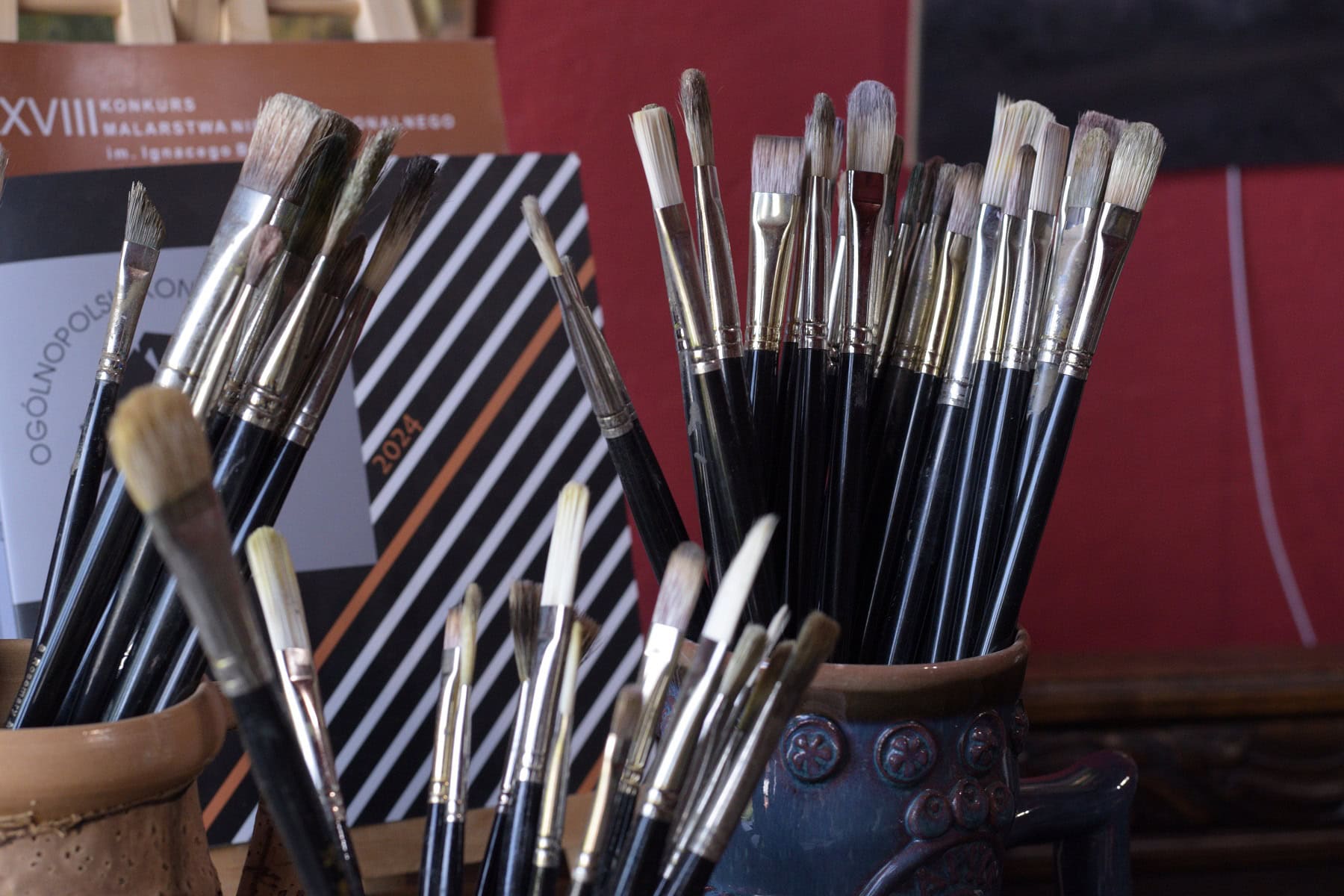
Long and short handles for studio and plein air painting
Most of my studio brushes have traditional long handles. They encourage me to stand farther away from the canvas, use my whole arm and avoid becoming trapped in small details too early.
I also own selected Rosemary & Co brushes with short handles specifically for use with my pochade box. I bought dedicated short-handle versions because I did not want to cut down and permanently alter the long-handled brushes I already owned.
The short versions fit much more comfortably inside a compact plein air setup. They are easier to pack, easier to transport and do not extend awkwardly beyond the storage compartment.
The working quality remains the same. The difference is purely practical: long handles for the studio and short handles for outdoor painting and travelling.
Durability and hair retention
The overall build quality is excellent. Hair loss is extremely rare across most of the ranges I own. I have occasionally found a loose bristle in some Chungking brushes, but even there it has never become a serious or persistent problem.
Several of my oldest Rosemary & Co brushes are now in their fifth year of continuous work. They have been used, cleaned, transported and returned to service countless times, yet they still perform remarkably well.
The ferrules remain secure, the handles are solid and the hair continues to behave like a precise painting tool rather than spreading into an uncontrolled mass.
One of their greatest strengths is how well they retain their shape both during painting and after cleaning. Many of them need little or no manual reshaping after washing. Once dry, they naturally return to a useful form and are ready for the next session.
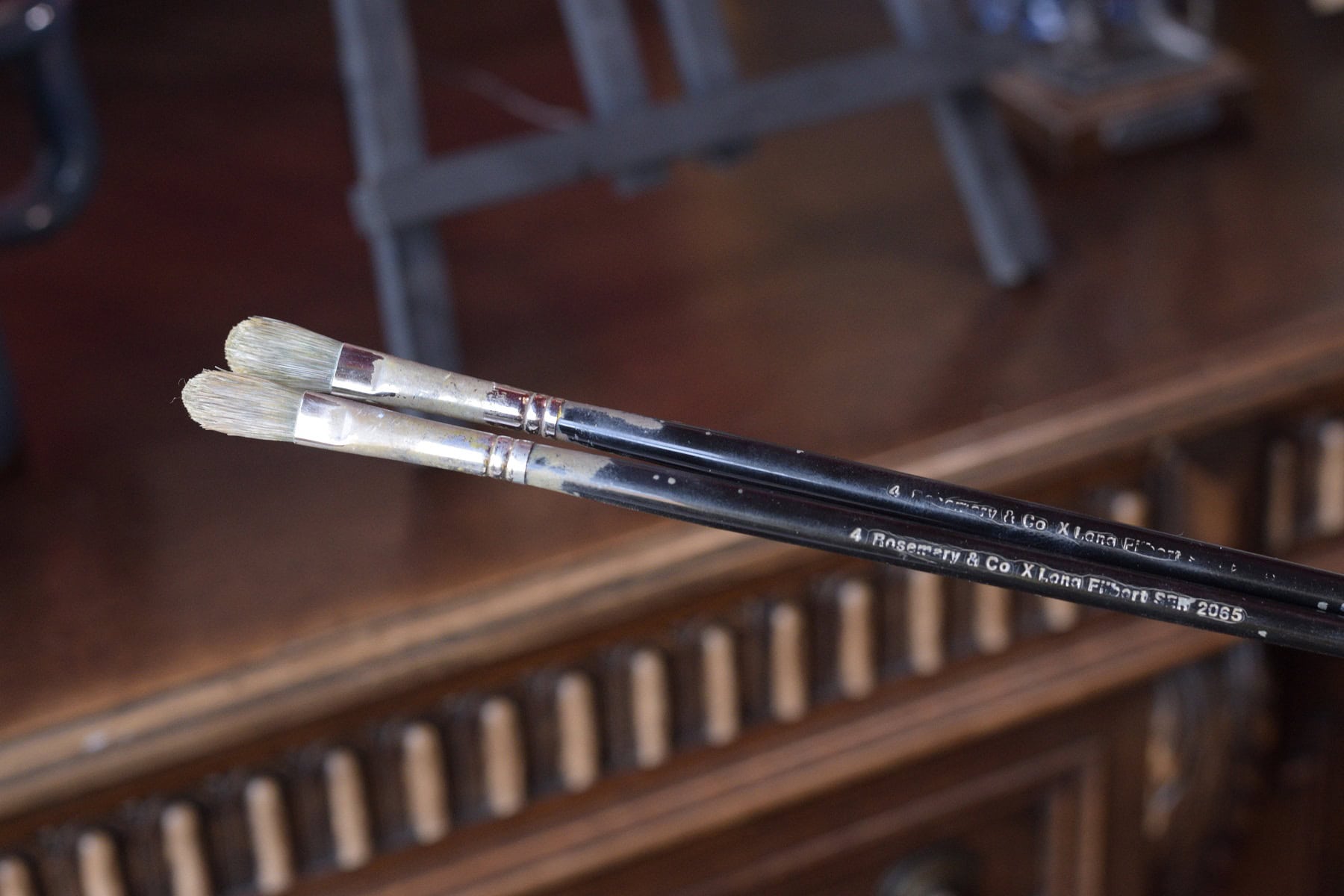
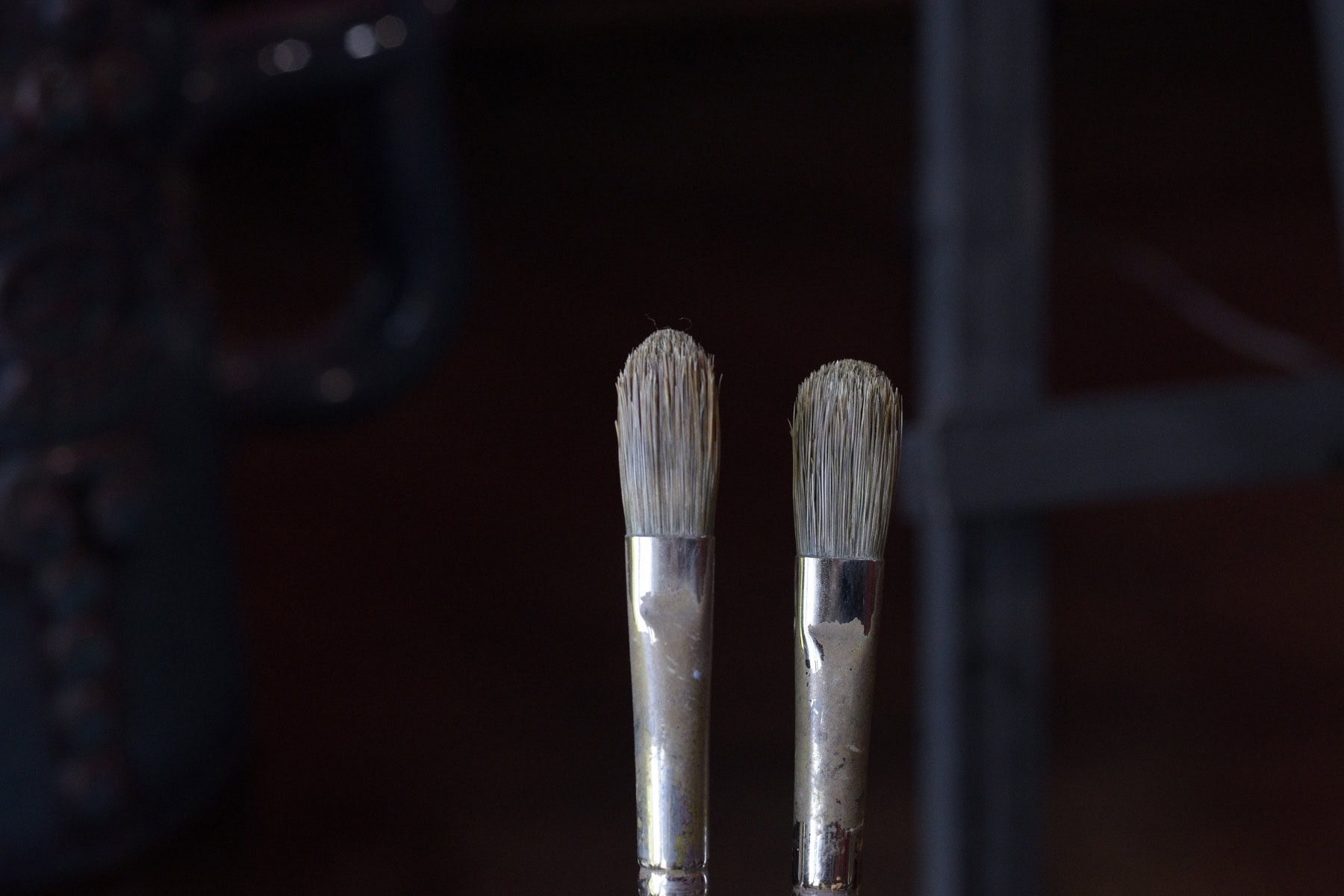
Rosemary Ivory brushes
The Ivory range is a relatively firm synthetic with excellent control. It creates a tight, clearly defined brushmark and holds a considerable amount of paint.
This makes Ivory useful when I want to place an opaque stroke confidently without the brush collapsing or losing its shape. It works especially well for controlled passages, clearly defined planes and firmer applications of colour.
The only practical inconvenience for me is that Ivory brushes can hold so much paint inside the hair that they occasionally take longer to clean properly. They load very efficiently, which is useful during painting but slightly less entertaining when the time comes to wash them.
That is not a construction fault. It is simply a dense brush doing exactly what it was designed to do.
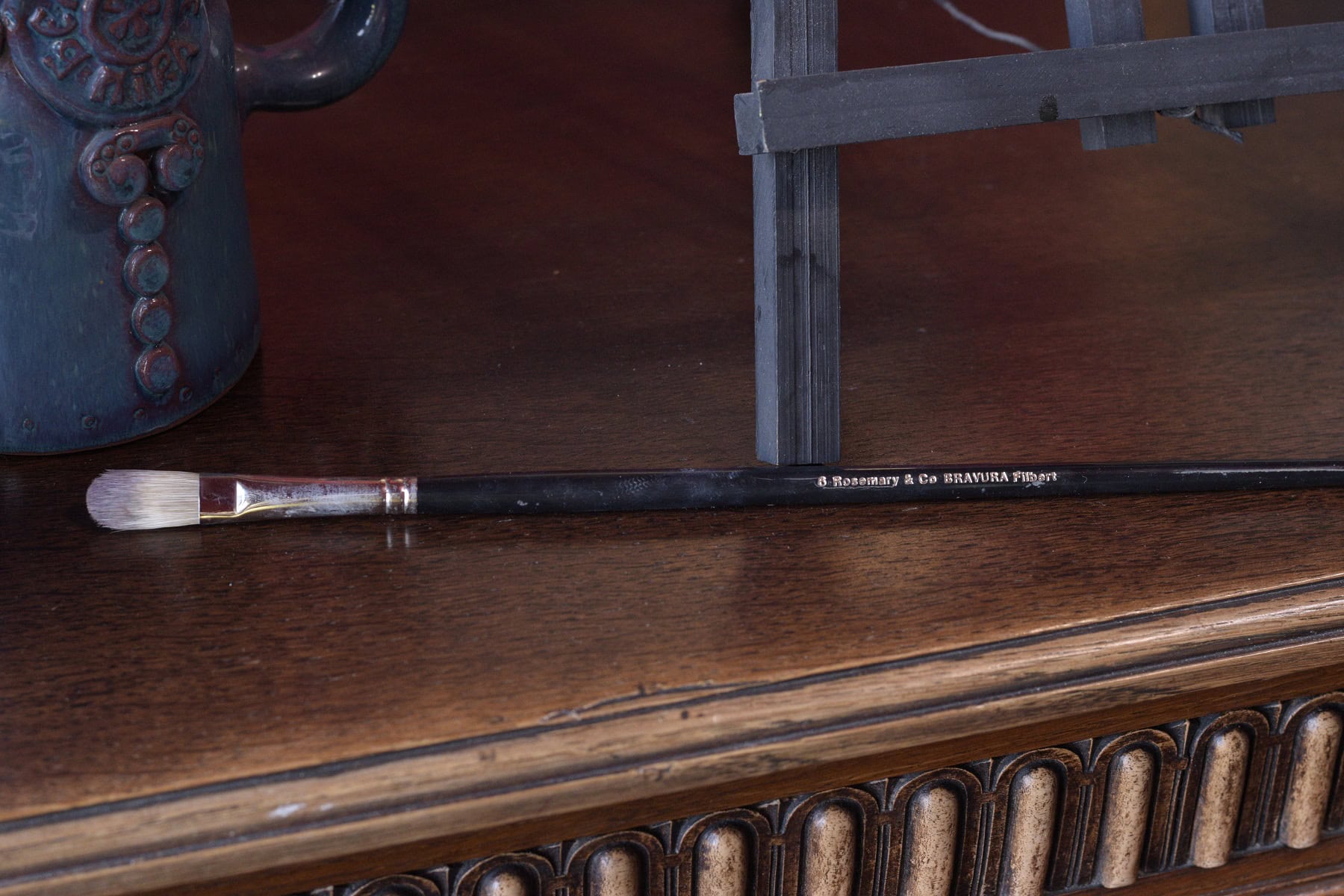
Rosemary Bravura: my favourite natural-hair brush
Bravura is my favourite natural-hair range from Rosemary & Co. It feels luxurious, but more importantly, its construction produces a very particular type of stroke.
The hair bends close to the ferrule, allowing the brush to travel smoothly across the surface and create long, confident passages. Instead of bending only at the tip, the entire working section responds to the pressure and movement of the hand.
This makes Bravura ideal for broad, flowing applications and the kind of extended brushwork suggested by the name itself. It is expressive without becoming weak or shapeless.
For my painting, it provides an excellent balance between control and freedom. The brush has enough body to move paint confidently but enough flexibility to produce a long, elegant stroke rather than a short, rigid mark.
Rosemary Eclipse: the best synthetic brush I have used
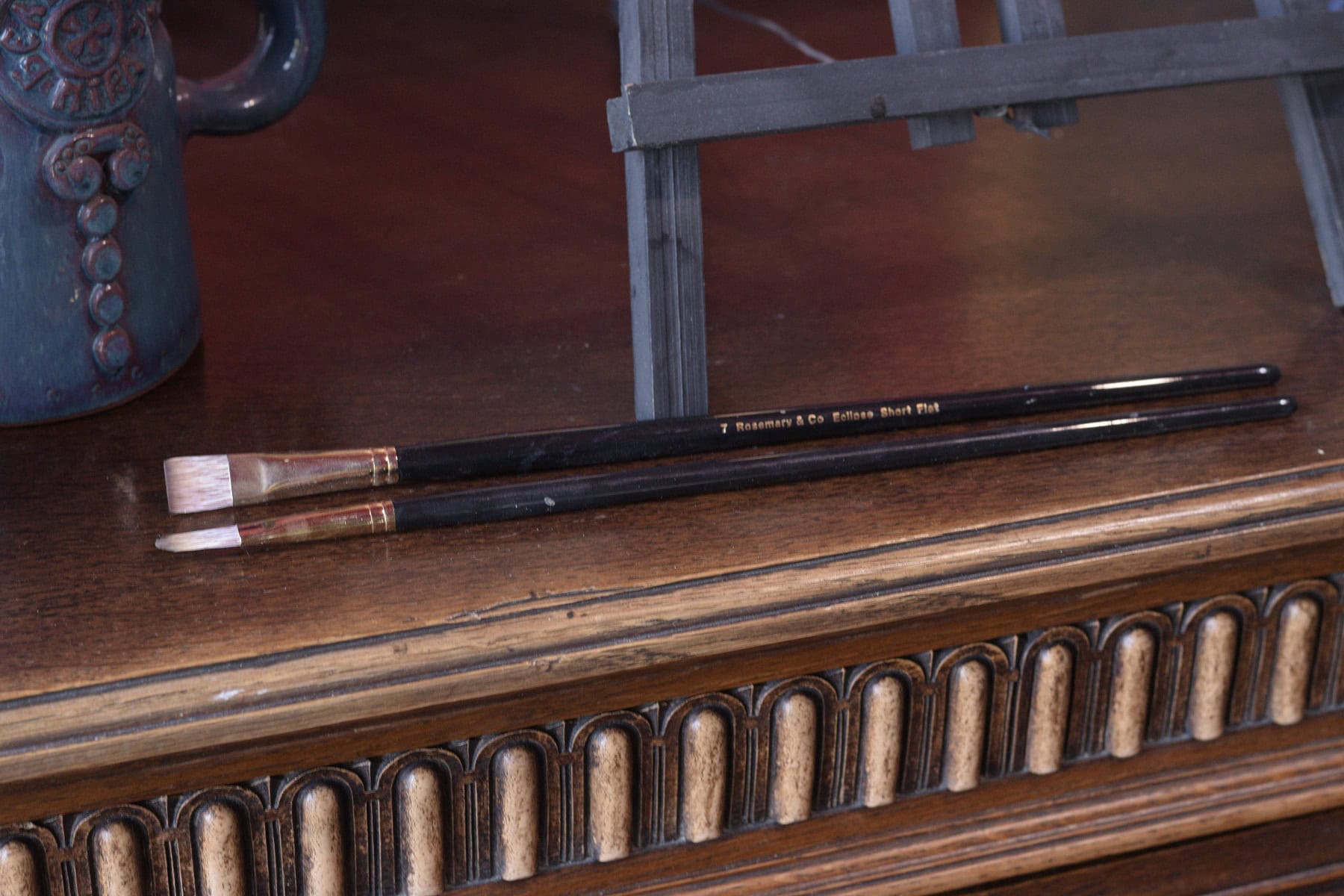
Eclipse is the best synthetic oil painting brush I have personally used. It is firm enough, particularly in the short-hair versions, to replace an Ivory brush in many situations.
It can push paint, work into an already established wet layer and retain a precise shape under pressure. At the same time, Eclipse feels more painterly than Ivory.
The mark remains controlled and compact, but it does not feel mechanical. The brush releases paint in a way that allows the edge to remain alive, with slight variation and movement inside the stroke.
This quality is difficult to define technically, but the difference is immediately noticeable while painting. Ivory gives me firmness and precision. Eclipse offers similar control while allowing the resulting mark to feel slightly more natural and expressive.
That may partly be a matter of personal preference, but it is the reason I reach for Eclipse so often. It is particularly effective for alla prima painting, where the brush needs to work confidently over already applied wet layers without immediately losing its shape or becoming uselessly soft.
Classic: the dependable foundation
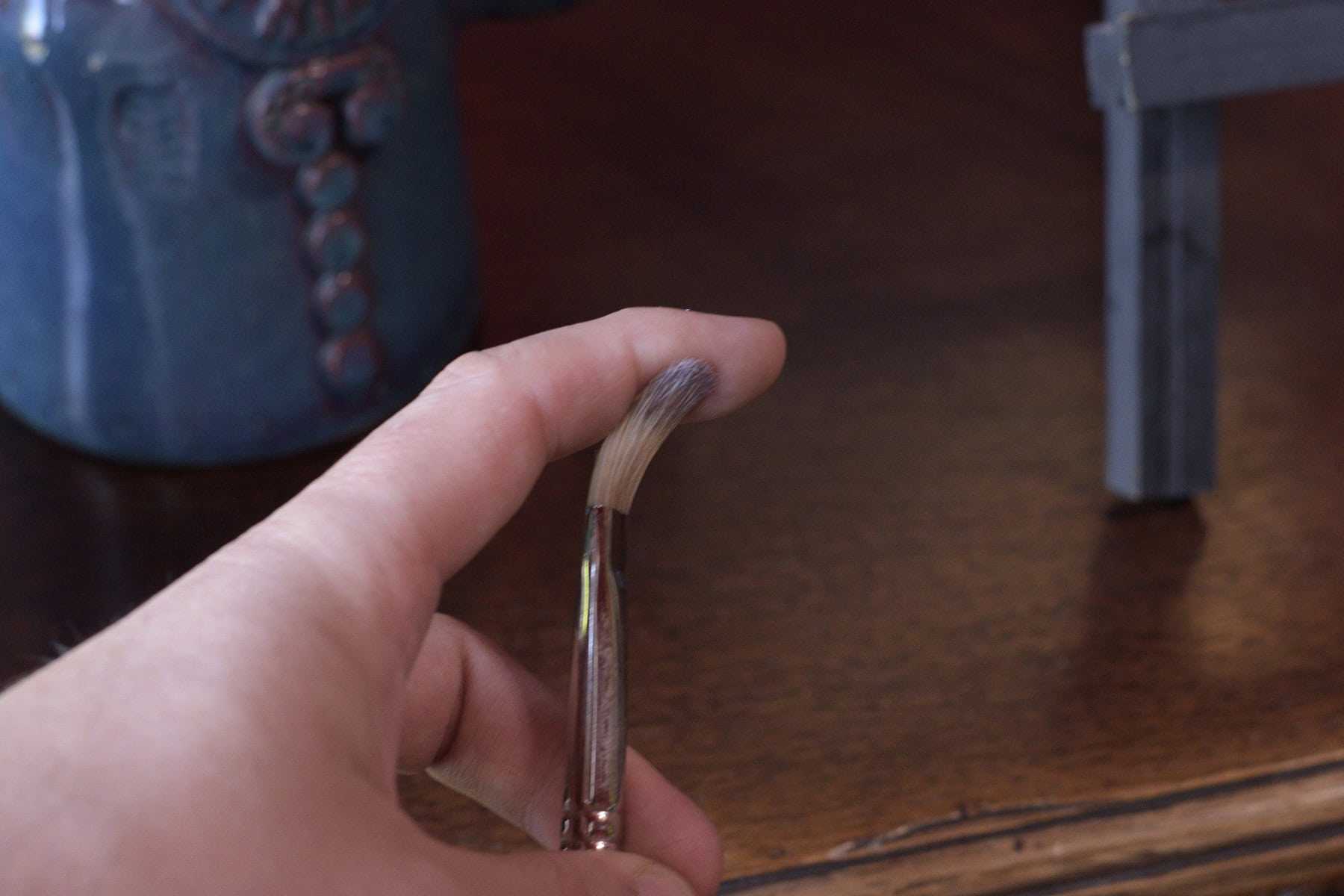
The Classic range is exactly what its name suggests: a dependable and versatile foundation for an oil painting set.
These are brushes I can reach for without thinking too much about the tool itself. They provide enough resistance for direct painting, but they are not excessively stiff.
They work well for establishing shapes, building colour and producing the broad variety of marks required during an ordinary studio or plein air session.
After experimenting with many more specialised lines, I still consider Classic one of the safest choices for anyone assembling a practical and long-lasting set of oil painting brushes.
Ultimate, Masters Choice and Evergreen
Not every Rosemary & Co range is equally suited to my particular painting style, although the manufacturing quality remains high.
Ultimate brushes are firmer than I generally prefer. Painters who enjoy highly resistant brushes or heavier paint application may appreciate them, but for my handling they can feel slightly too stiff.
Masters Choice brushes sit closer to the opposite end of the spectrum. They are beautifully soft and delicate, but in my collection they have held their shape less firmly than the ranges I use most frequently.
This is largely the natural character of the hair rather than a manufacturing defect. For subtle blending and very soft passages, they can be excellent. They are simply not the main brushes for my direct and shape-driven approach to oil painting.
Evergreen brushes also feel considerably softer than Ivory. Again, this may be exactly what another painter needs, but I usually prefer a brush that offers greater resistance and leaves a more decisive mark.
Comparison with cheaper oil painting brushes
The difference between Rosemary & Co and many cheaper brushes available in Poland is not subtle.
In my experience, some inexpensive brushes, including certain Renesans models and similar alternatives, lose their shape almost immediately. Instead of forming a controlled painting edge, the hair can spread into a thick, blunt layer resembling a household decorating brush.
I have also used cheaper brushes where wiping the hair with paper while holding it together caused the entire hair section to move or begin separating from the ferrule. In the worst cases, the hair and ferrule started coming away during the first uses.
That kind of failure is almost unthinkable with the Rosemary & Co brushes in my collection. They are built like tanks. Even after years of painting, washing and transport, they remain secure, predictable and pleasant to use.
The cheaper alternatives are not always dramatically less expensive either. Saving a relatively small amount makes little sense when the brush rapidly becomes unusable, while a well-made Rosemary & Co brush may continue working for years.
The three ranges I would buy again
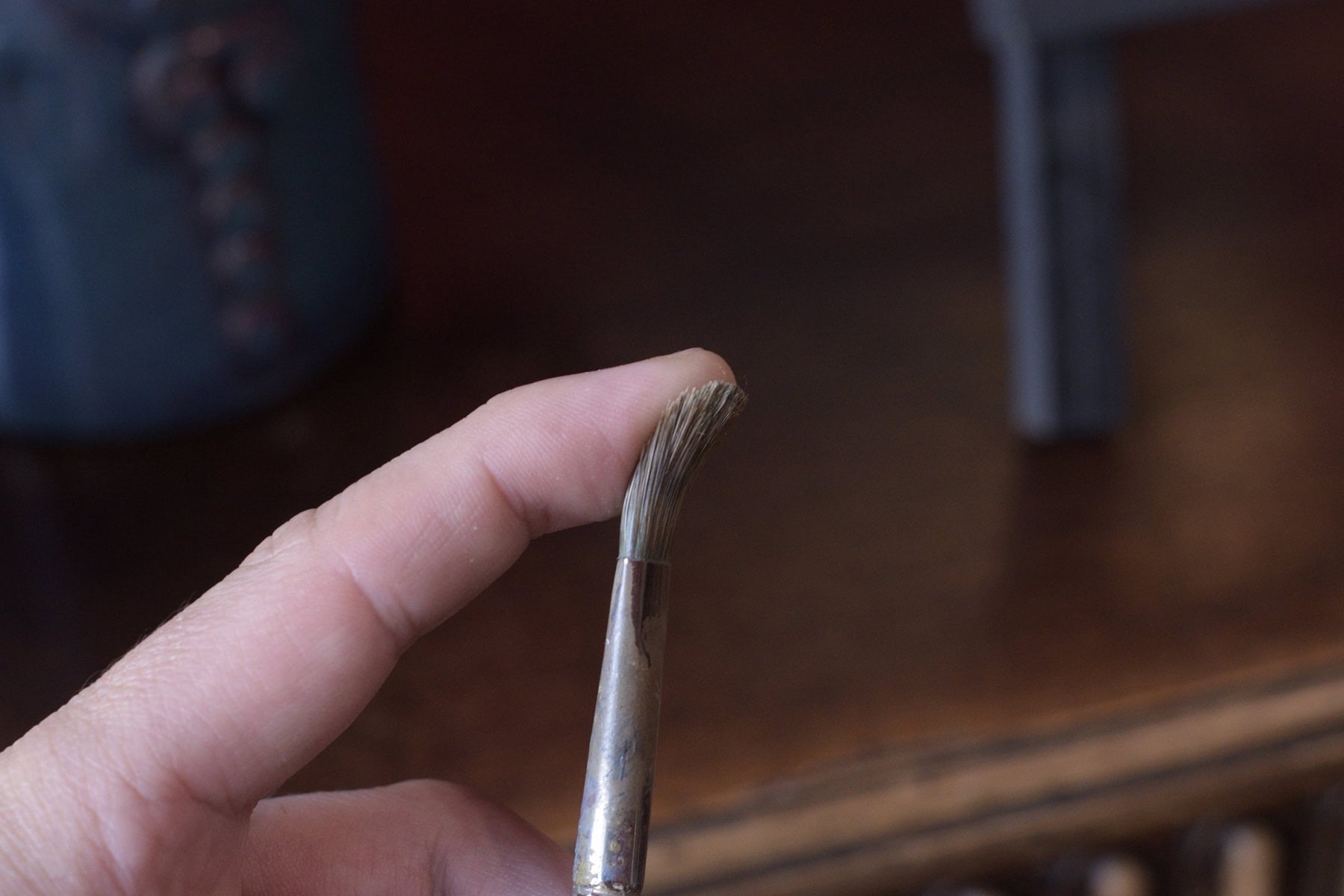
After trying so many Rosemary & Co lines, I now know exactly what I would choose if I had to rebuild my entire oil painting brush collection from the beginning.
My ideal Rosemary & Co brush set
Classic — for dependable, versatile everyday painting and a wide variety of general marks.
Eclipse — for controlled but painterly synthetic brushwork, particularly during direct alla prima painting.
Bravura — for expressive natural-hair strokes, broader applications and long, flowing passages.
Together, these three ranges form an almost ideal set for my style of painting.
Classic provides the dependable foundation. Eclipse offers firmness and precision without feeling excessively mechanical. Bravura introduces greater movement, flexibility and expressive potential.
Price, availability and customer service
Considering their longevity and build quality, Rosemary & Co brushes are very reasonably priced. They are not disposable tools, and their cost makes much more sense when measured over several years of regular use.
The selection is extensive, availability is generally very good and the customer service has always been excellent in my experience.
The company clearly understands painters and offers enough variation in hair, shape, length and firmness to suit very different working methods.
It is no accident that Rosemary & Co brushes appear in the studios and painting demonstrations of so many accomplished contemporary artists. They have earned that reputation through consistency rather than marketing alone.
You can explore the complete selection of brush ranges, shapes and handle lengths on the official Rosemary & Co website .
Final verdict
I am extremely satisfied with my Rosemary & Co brushes. After approximately five years of continuous use, I have found no serious weakness in their construction or performance.
They retain their shape, lose very little hair, survive repeated cleaning and remain useful long after many cheaper brushes would have reached the bin.
The only obvious sign of age on some of my oldest examples is the partially worn logo — and considering the amount of work they have done, I can live with that.
There is a good reason why Rosemary & Co brushes are so often found in the hands of serious painters. They are reliable professional tools designed for real work rather than for looking perfect inside a box.
For oil painters assembling a first serious set, I would particularly recommend Classic, Eclipse and Bravura. Together they cover controlled painting, direct alla prima work and more expressive brush handling.
I recommend Rosemary & Co without hesitation.
You can see how I use these brushes in my original oil paintings, browse the works currently available in my online shop or read more articles about my painting process, materials and plein air work.
